
Stop 19 of 33
The Jousting Fields and The King's Orchard
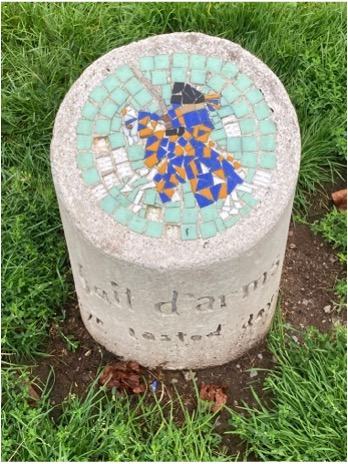
The word Haining means a piece of ground set aside for special purposes.
The Haining is understood to be a site where a royal garden and orchard were created by James IV in the 1490s. It was apparently planted with fruit trees, plants, vegetables and vines brought from France. Unfortunately the vines did not survive.
Other gardens probably also existed nearby in the Park during this period, possibly in the area now known as the "Kings Knot", but this garden was probably in the Haining and may have extended up to terraces above.
Justinflats
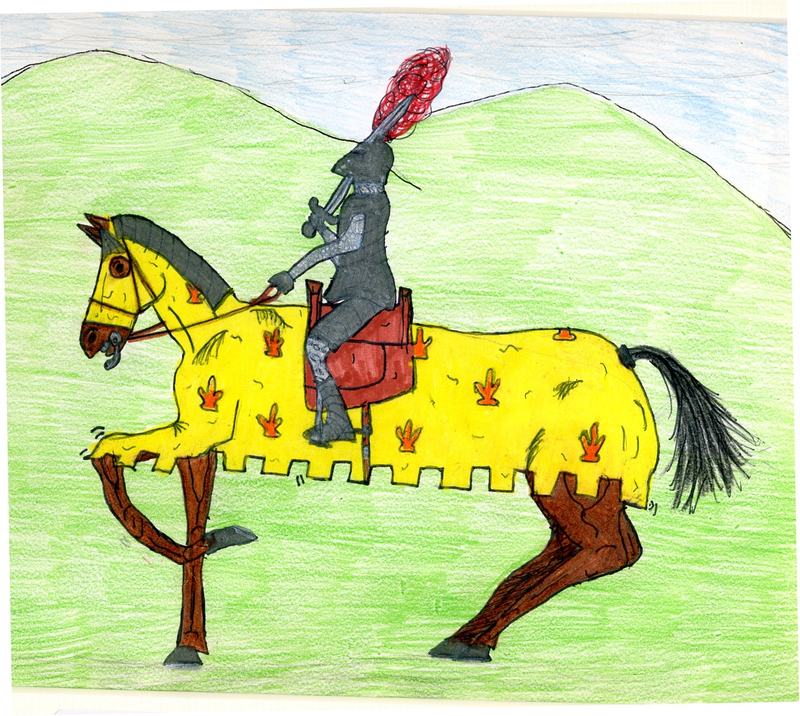
In medieval Scotland, jousting tended to be fierce, bloody affairs, with contestants sometimes fighting to the death. In 1449, for instance — the year of James II's betrothal to Mary of Gueldres — a tournament took place between three Scottish knights and two Burgundian knights and a squire. Dressed in full armour, using axe, lance and dagger, it was to be a fight to the death. Fighting was said to have been fierce, but the king stopped the contest before anyone was killed, and praised all combatants.
Archery practised at the Butts and jousting tournaments appear to have taken place at the Justinflats in medieval times. In 1506, the Justinflats were included in land transferred by the monarch to the burgh in exchange for the Gowan Hills. These hills were considered of strategic importance to the defence of Stirling Castle as they overlooked the main crossing point over the river Forth. For the next few decades, archery and jousting were transferred to the Butt Park.
Know more about this place, or have a photograph or memory of it to share? Tell us →