
Stop 29 of 33
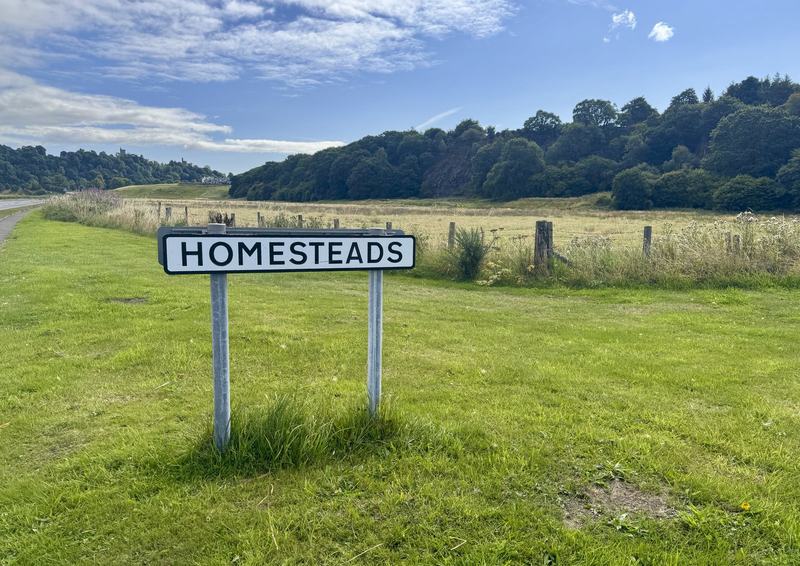
The Homesteads and Kings Park Military Connections
Golf is played next to this path. On hearing "Fore", cover your head and turn away from the direction of play. Golf safety →
After 1603, Stirling continued to have royal connections and remained an important military garrison town. The terrain and location close to the castle made the park an ideal site for military camps and exercises over many centuries.
The rifle range
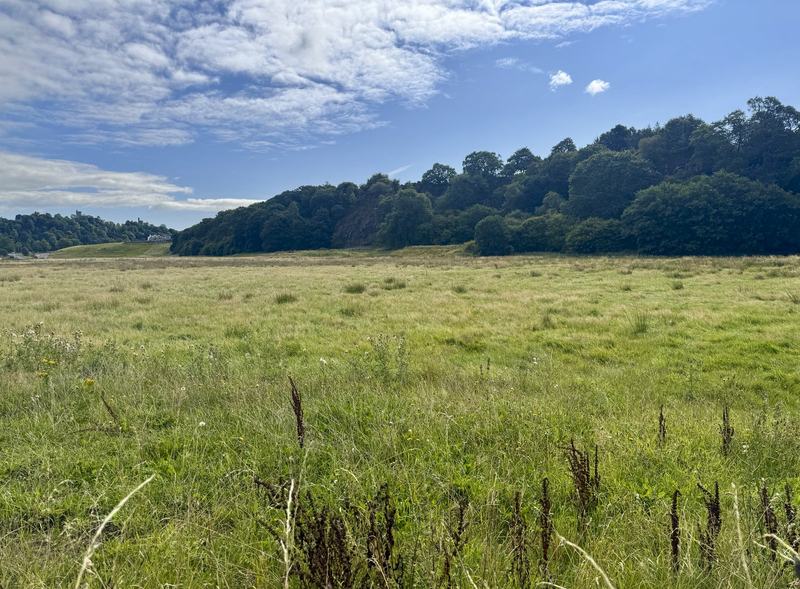
A miniature rifle range stood in this north-western part of the park, used for shooting practice. It is one of several military uses that left their mark on the ground here, along with the World War 1 practice trenches on the eastern side of the park.
Battle of Sheriffmuir — 1715
Despite the establishment of a constitutional monarchy in Britain by the Act of Settlement in 1701 and the Treaty of Union in 1707 establishing a British constitution, many people remained concerned that their Scottish identity was being lost. This period was also marked by religious divisions and pockets of political unrest.
In 1715, a rebellion took place in Scotland with the aim of restoring the Stewart monarchy. Two Scots with strong Stirling connections became involved in this conflict, leading opposing forces into combat at the Battle of Sheriffmuir on 13th November 1715. This battle took place near Stirling. Government forces, said to number 3,300 troops, were commanded by John, Second Duke of Argyll, an experienced army general. The much larger Jacobite force, of approximately 8,800, many of them highland clansmen, was commanded by John Erskine, 6th Earl of Mar. Prior to engagement in this battle, the Duke of Argyll's army — including dragoons, mounted soldiers and assorted camp followers — is said to have camped in the Kings Park. The local Stirling population must have found this vast influx of troops quite difficult to deal with, as it was winter and many of the soldiers appear to have sought warmer lodgings in the town.
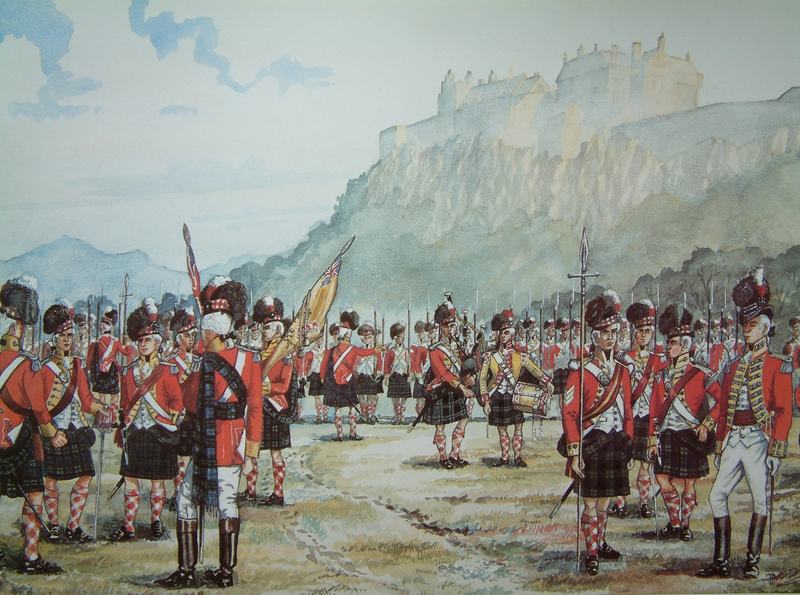
The watercolour painting shows the 98th Regiment of the Argyll Highlanders (later renamed the 91st Regiment) being inspected below Stirling Castle in May 1794. Duncan Campbell of Lochnell, who raised the Regiment, described the men in a letter to the Duke of Argyll in 1794 as behaving with "most orderly manners in town". In the field, he described the soldiers' appearance as passing "his most sanguine expectations."
Since then
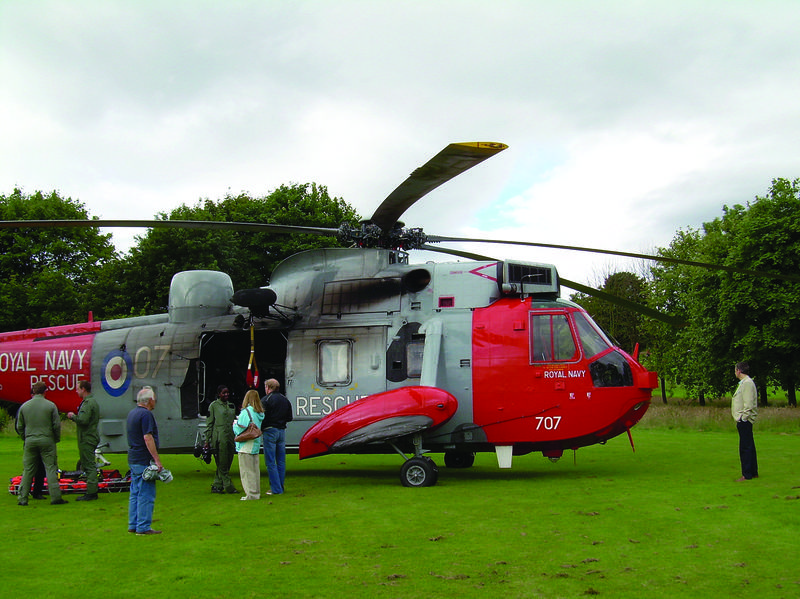
Kings Park has continued to host military events, among them a Veterans' Day Parade held in the park on 22nd July 2008.
Know more about this place, or have a photograph or memory of it to share? Tell us →